Psychiatric Service Dog Training by Maureen Keene of Keene Kanine
Not every dog is suited for service work, and the qualification process is thorough to ensure safety and reliability.
- Maureen Keene
Certified Psychiatric Service Dog Trainer
Certified Psychiatric Service Dog Trainer, Leading Expert in Long Beach and Serving all of Nassau County, NY
What a Psychiatric Service Dog Is
A Psychiatric Service Dog is a specially trained working dog that performs targeted tasks to help an individual manage a psychiatric disability. These dogs are not emotional support animals, nor are they therapy dogs that visit hospitals or schools. Instead, they are legally recognized service animals under the Americans with Disabilities Act, which grants them full public access rights when properly trained.
A Psychiatric Service Dog performs tasks that directly interrupt, reduce, or mitigate symptoms such as panic attacks, dissociation, overwhelming anxiety, or intrusive thoughts. These tasks are not optional behaviors but reliable, repeatable actions that the dog performs consistently in real‑world environments. Because of this, a Psychiatric Service Dog becomes a stabilizing partner for someone whose daily functioning is affected by a mental health condition. The dog’s presence alone does not qualify it as a service animal; the trained tasks define its role and legal status. This distinction is important because it determines the dog’s public access privileges and the level of training required.
A Psychiatric Service Dog must be calm, focused, and able to work in busy environments without becoming distracted. When properly trained, these dogs provide grounding, safety, and practical support that helps the handler navigate daily life with greater confidence and independence.
Who May Benefit From a Psychiatric Service Dog
A Psychiatric Service Dog may be appropriate for individuals whose mental health symptoms significantly interfere with daily functioning. People who experience severe anxiety, panic disorder, PTSD, depression, bipolar disorder, OCD, or dissociative episodes may find that a trained service dog provides meaningful support. These conditions can create unpredictable challenges, and a dog trained to respond to those challenges can make daily life more manageable.
A Psychiatric Service Dog is not intended for mild stress or general emotional comfort; it is for individuals whose symptoms rise to the level of a disability. Many people who benefit from these dogs experience episodes that disrupt work, school, social interactions, or basic daily tasks. A trained dog can interrupt harmful patterns, guide the handler to safety, or provide grounding during overwhelming moments.
The dog’s role is not to replace therapy or medication but to complement a broader treatment plan. Individuals who struggle with public environments, crowded spaces, or sudden emotional shifts often find that a service dog helps them regain independence. The decision to pursue a Psychiatric Service Dog is personal, but for many people, it becomes a life‑changing source of stability and support.
Dogs Best Suited To Becoming Psychiatric Service Dogs
Here are eight clear, warm, client‑ready sentences about the best types of dogs for psychiatric service work. The best psychiatric service dogs are breeds with naturally calm, stable temperaments and a strong desire to stay close to their handler.
- Labrador Retrievers excel because they are gentle, highly trainable, and naturally attentive to emotional changes.
- Golden Retrievers are another top choice, offering a perfect blend of sensitivity, patience, and steady confidence in public settings.
- Standard Poodles make excellent psychiatric service dogs thanks to their intelligence, low‑shedding coats, and ability to learn complex tasks quickly.
- German Shepherds can thrive in this role when carefully selected for even temperaments, providing grounding, protection, and deep loyalty.
- Mixed‑breed dogs with the right temperament—calm, people‑focused, and eager to work—can perform psychiatric tasks just as well as purebreds.
- Medium‑to‑large breeds are often preferred because they can perform physical tasks, such as deep pressure therapy or guiding a handler out of a stressful environment.
Ultimately, the best psychiatric service dogs are those who combine emotional intuition with consistent, reliable behavior in both quiet and high‑distraction environments.
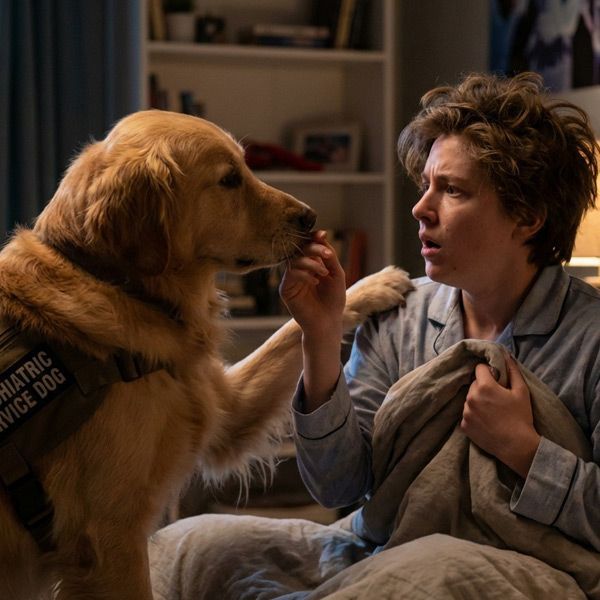
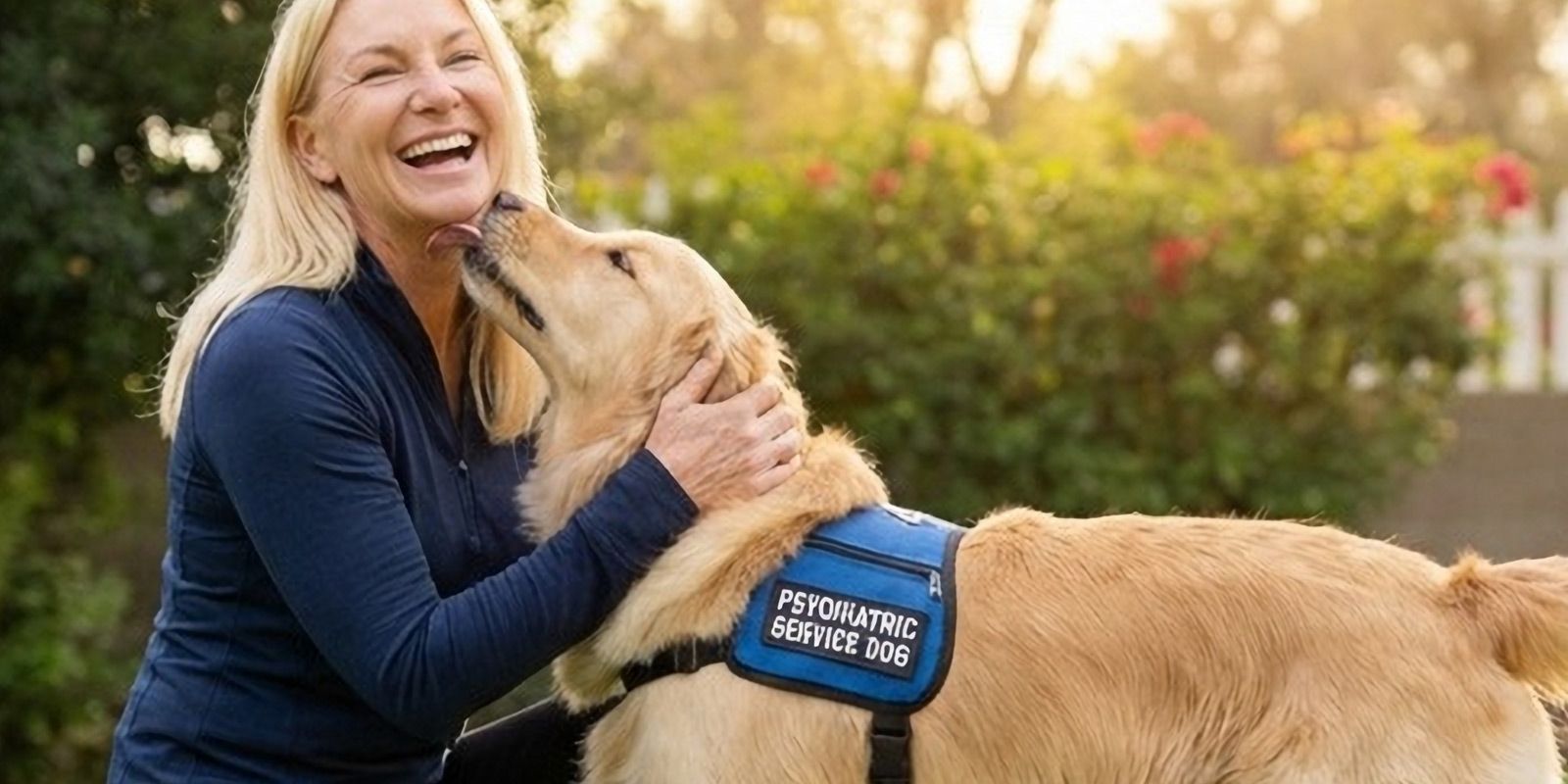
A Psychiatric Service Dog woke her owner from a bad dream due to PTSD.
Tasks a Psychiatric Service Dog Can Perform
A Psychiatric Service Dog is defined by the tasks it performs, and these tasks must directly relate to the handler’s disability. Below are examples of common tasks, each with clear explanations:
- Waking the handler from nightmares or night terrors. For individuals with PTSD, the dog can gently wake the handler and provide grounding after a distressing episode. This reduces lingering fear and helps the handler return to sleep more easily and with greater emotional stability.
- Interrupting panic attacks or spiraling thoughts. The dog may nudge, paw, or apply pressure to interrupt the onset of a panic attack or intrusive thought pattern. This interruption helps the handler shift focus and regain control before symptoms escalate, giving them a chance to use coping strategies more effectively.
- Deep Pressure Therapy (DPT). The dog may lie across the handler’s lap or chest to provide calming pressure, reducing anxiety and grounding the handler during dissociation. This technique slows the heart rate, regulates breathing, and helps the handler reconnect with their surroundings.
- Guiding the handler out of overwhelming environments. The dog can lead the handler to an exit or a quiet space when sensory overload or panic becomes too intense. This task helps the handler avoid escalation and regain composure safely without feeling trapped or overwhelmed.
- Alerting to rising anxiety or emotional shifts. Some dogs can be trained to recognize early signs of anxiety or dissociation and alert the handler before symptoms become severe. This early warning gives the handler time to relocate, prepare, or use grounding techniques.
How Maureen Keen Trains a Dog to Become a Qualified Psychiatric Service Dog
Not every dog is suited for service work, and the qualification process is thorough to ensure safety and reliability. The first step is a temperament evaluation, where we assess confidence, stability, reactivity, and the dog’s ability to remain neutral in distracting environments. A Psychiatric Service Dog must be calm, focused, and able to work closely with a handler who may experience unpredictable symptoms. Once a dog passes the temperament evaluation, foundational obedience training begins. This includes sit, down, stay, recall, loose‑leash walking, and the ability to ignore distractions.
After obedience training, the dog begins public access training, which teaches it to behave appropriately in stores, restaurants, public transportation, and other public spaces. Public access training ensures the dog remains quiet, controlled, and attentive in all environments. Once the dog demonstrates consistent public behavior, task training begins. These tasks are tailored to the handler’s specific needs and must be performed reliably on cue or automatically.
Finally, the dog and handler complete a public access test and a task performance evaluation to confirm readiness. This process ensures that the dog meets the standards expected of a true service animal and can safely support the handler in daily life.
Legal Rights and Responsibilities
Psychiatric Service Dogs are protected under the Americans with Disabilities Act, which grants them full public access rights. This means they can accompany their handler into places where pets are not allowed, including restaurants, hotels, stores, and public transportation. However, with these rights come responsibilities. The dog must be well‑behaved, under control, and trained to perform tasks that mitigate the handler’s disability. Handlers are responsible for maintaining the dog’s training and ensuring the dog does not disrupt public spaces.
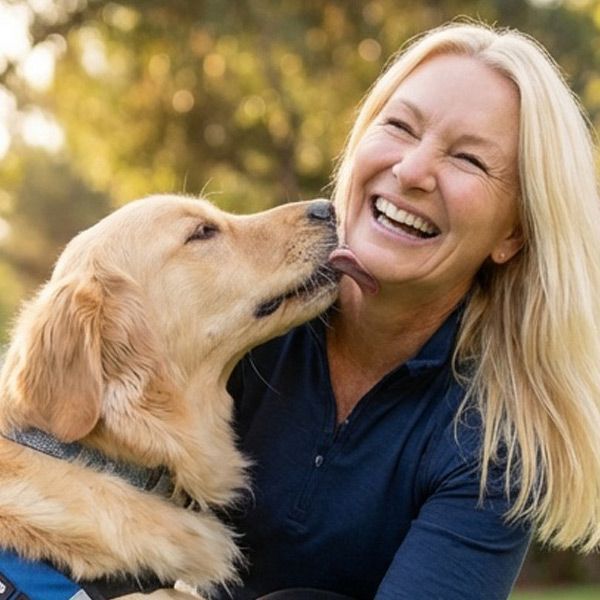
Contact Maureen for a Free Psychiatric Service Dog TrainingDog Training Consultation!
The first step is to speak with Maureen, who will help you determine whether a Psychiatric Service Dog is the right fit for your needs. She will ask about your symptoms, daily challenges, and goals to understand how a service dog could support you. If you already have a dog, she will evaluate its temperament and suitability for service work.
If you need help selecting a dog, she can guide you toward breeds and temperaments that are best suited for psychiatric service tasks. Once the evaluation is complete, Maureen will outline a training plan that includes obedience, public access skills, and task work. This plan is customized to your needs and designed to ensure long‑term success.
Throughout the process, Maureen provides guidance, support, and clear communication to help you and your dog work as a team. Reaching out is the best way to begin the journey toward greater stability and independence.
Please contact us today!